Sign In
 0
0Main content starts here
What is layering system?
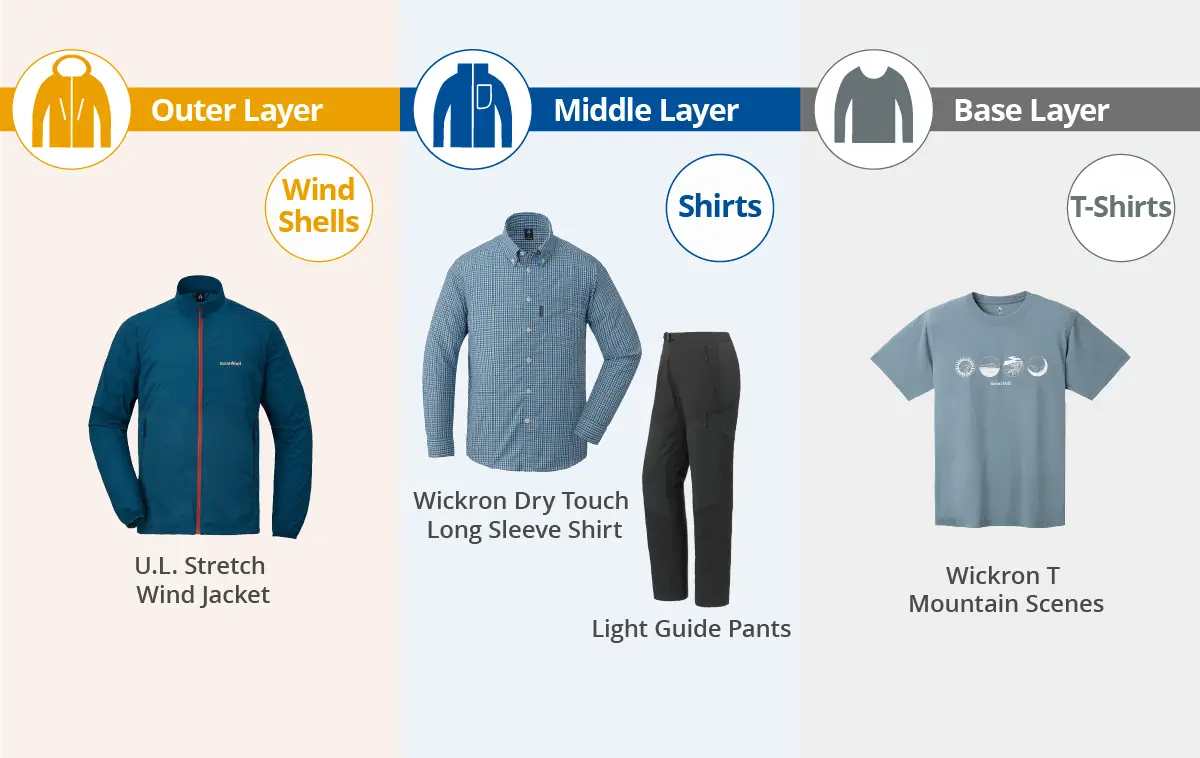
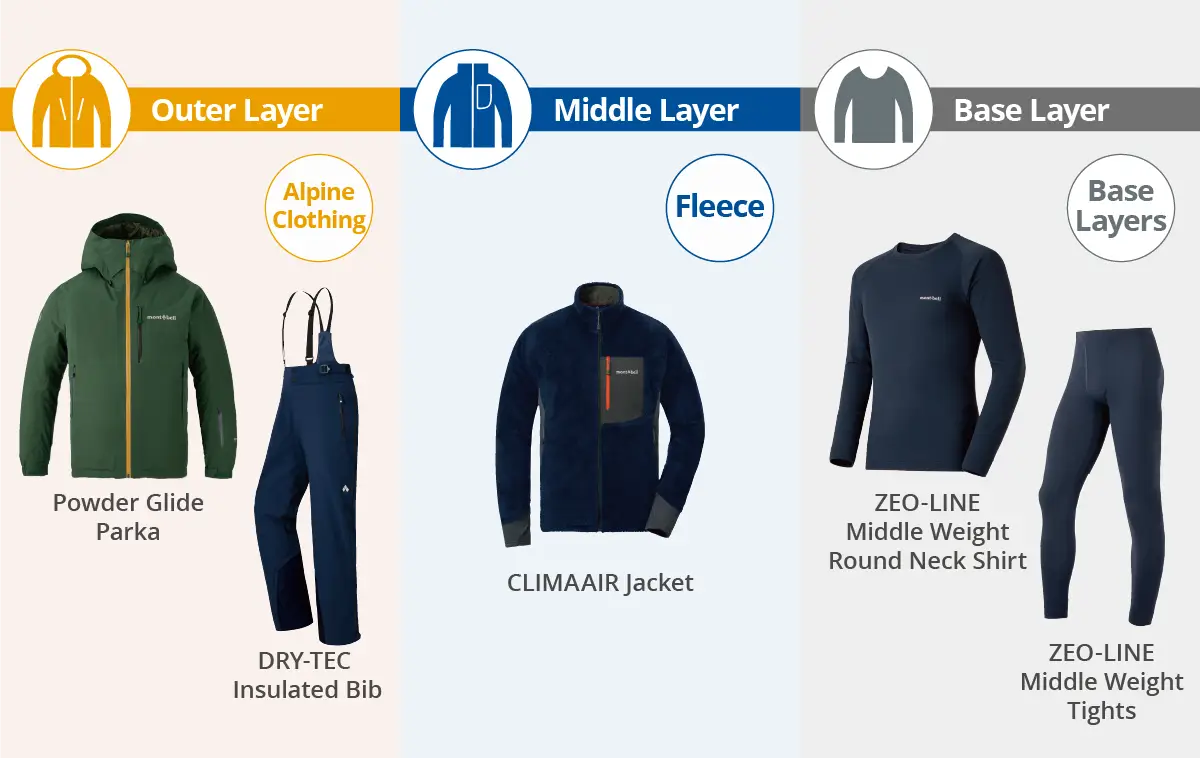
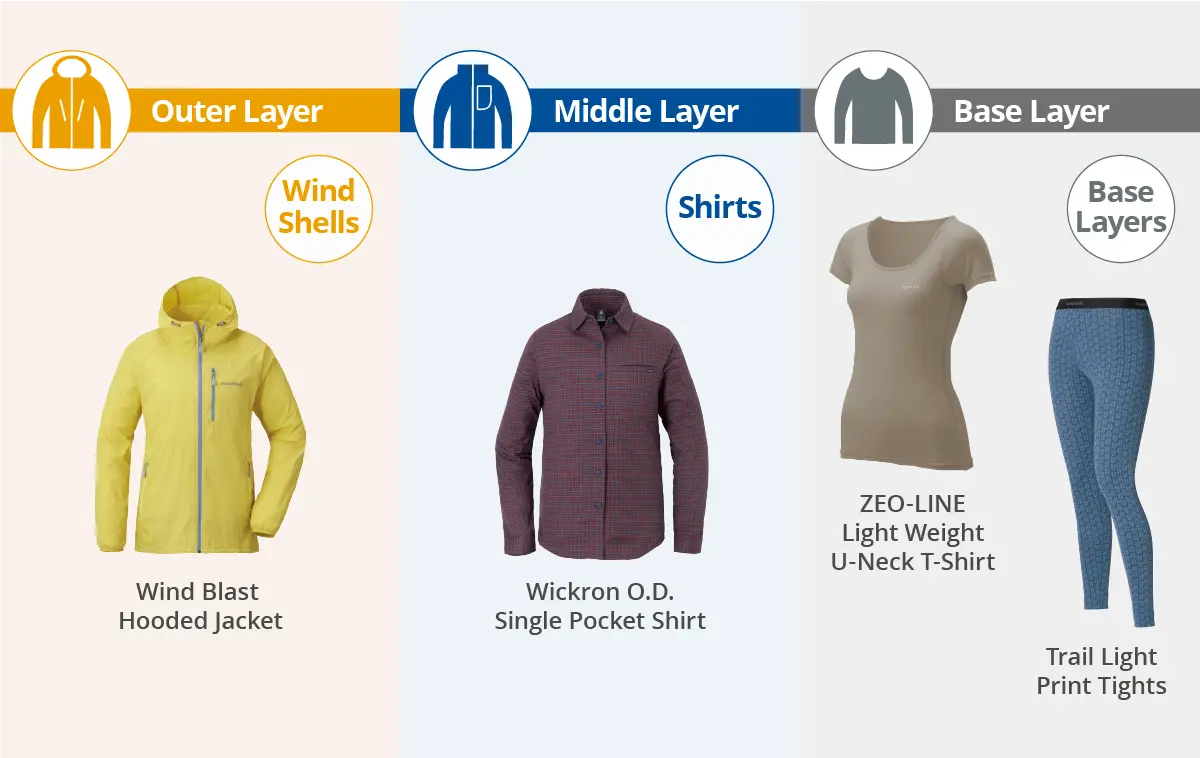
Layering refers to the configuration of clothing as a three-layer system consisting of an "outer layer," "middle layer," and "base layer."
By adjusting layers according to weather conditions and physical activity levels, you can maintain a comfortable microclimate within your clothing and maximize the performance of your garments.
By selecting the optimal garmentsl according to your outdoor activities, you can enjoy the outdoors more comfortably and safely.
By adjusting layers according to weather conditions and physical activity levels, you can maintain a comfortable microclimate within your clothing and maximize the performance of your garments.
By selecting the optimal garmentsl according to your outdoor activities, you can enjoy the outdoors more comfortably and safely.
Functions and Roles of the Three Layers
Outer Layer
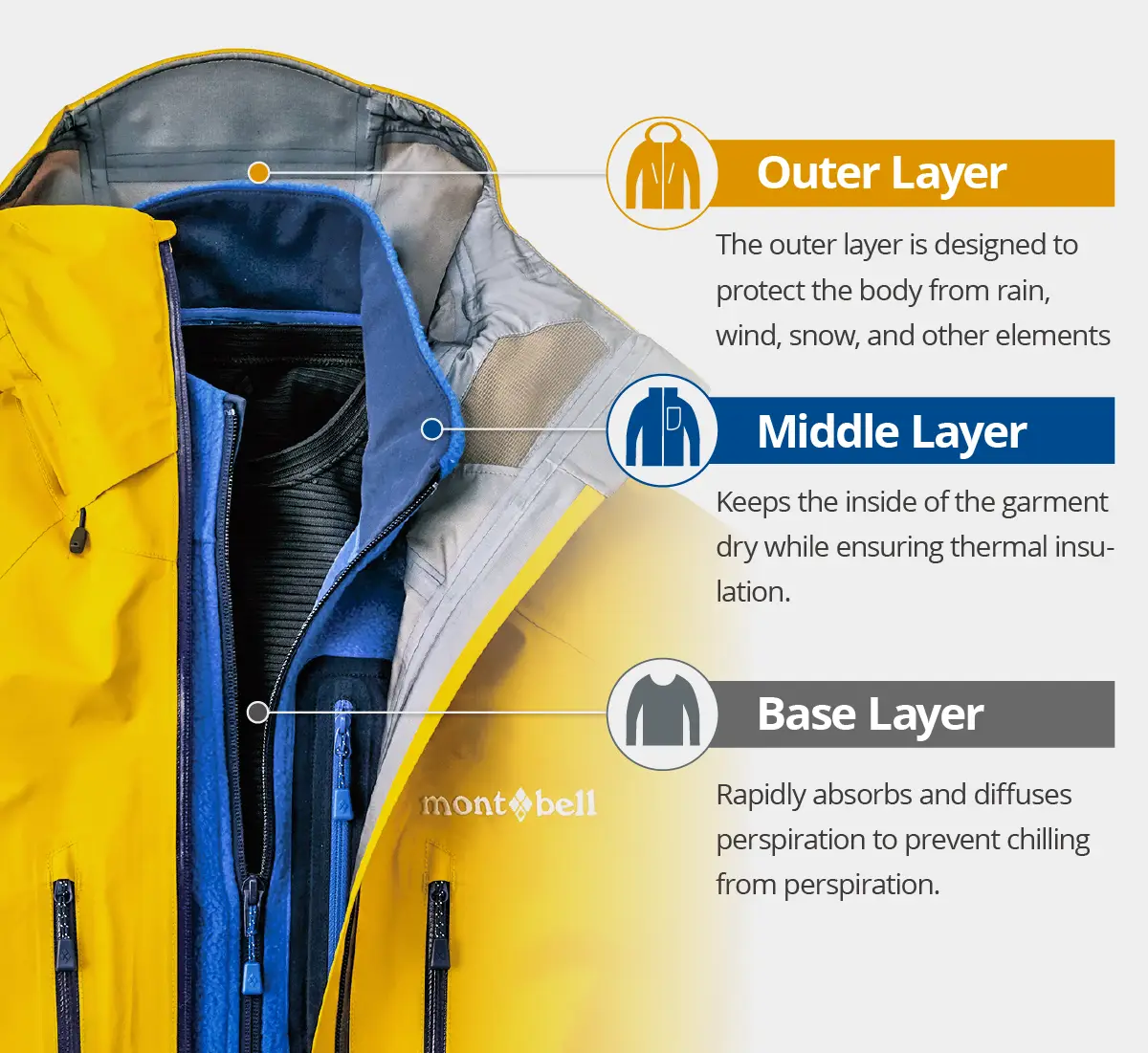
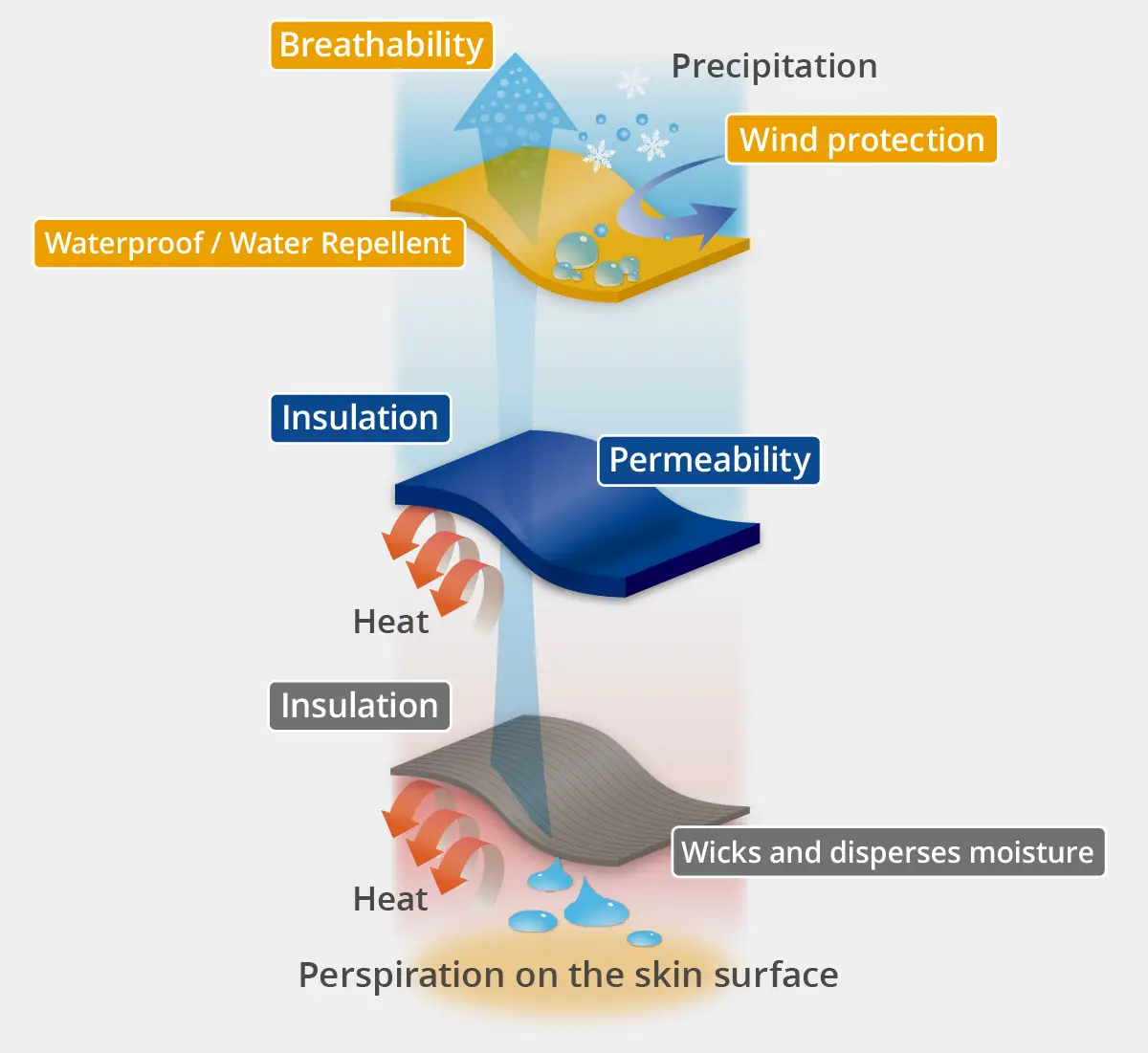
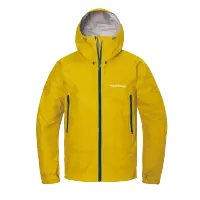
The outer layer is designed to protect the body from rain, wind, snow, and other elements, with rain shells being more appropriate for adverse weather conditions and alpine shells being specifically designed for winter mountaineering.
To cope with the ever-changing harsh environment, functional garments made from superior materials is required.
To cope with the ever-changing harsh environment, functional garments made from superior materials is required.
Middle Layer
Keeps the inside of the garment dry while ensuring thermal insulation. There are "active wear" garments worn during activity and "insulating wear" garments worn during breaks or in low temperatures.
The primary objective is to ensure thermal insulation; however, breathability and quick-drying properties that allow excess heat and moisture to move outside the garment smoothly are also crucial considerations, depending on weather conditions, perspiration levels, and the intensity of physical activity.
The primary objective is to ensure thermal insulation; however, breathability and quick-drying properties that allow excess heat and moisture to move outside the garment smoothly are also crucial considerations, depending on weather conditions, perspiration levels, and the intensity of physical activity.
Base Layer
Rapidly absorbs and diffuses perspiration to prevent chilling from perspiration. The primary purposes are to rapidly absorb and diffuse perspiration to keep the skin dry, and to ensure heat retention. Selection is made depending on weather conditions, perspiration levels, and the intensity of physical activity.
Layering should be adjusted according to the situation
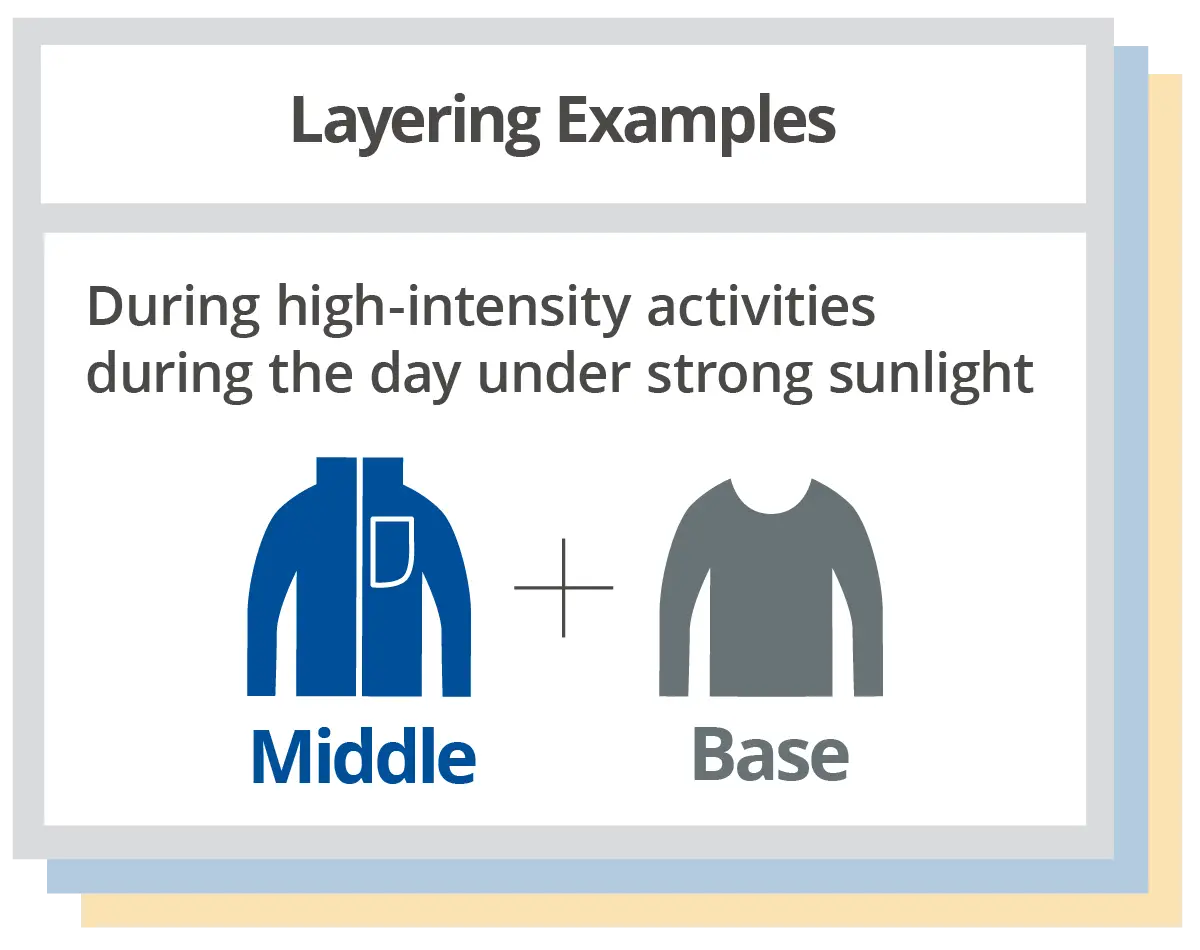
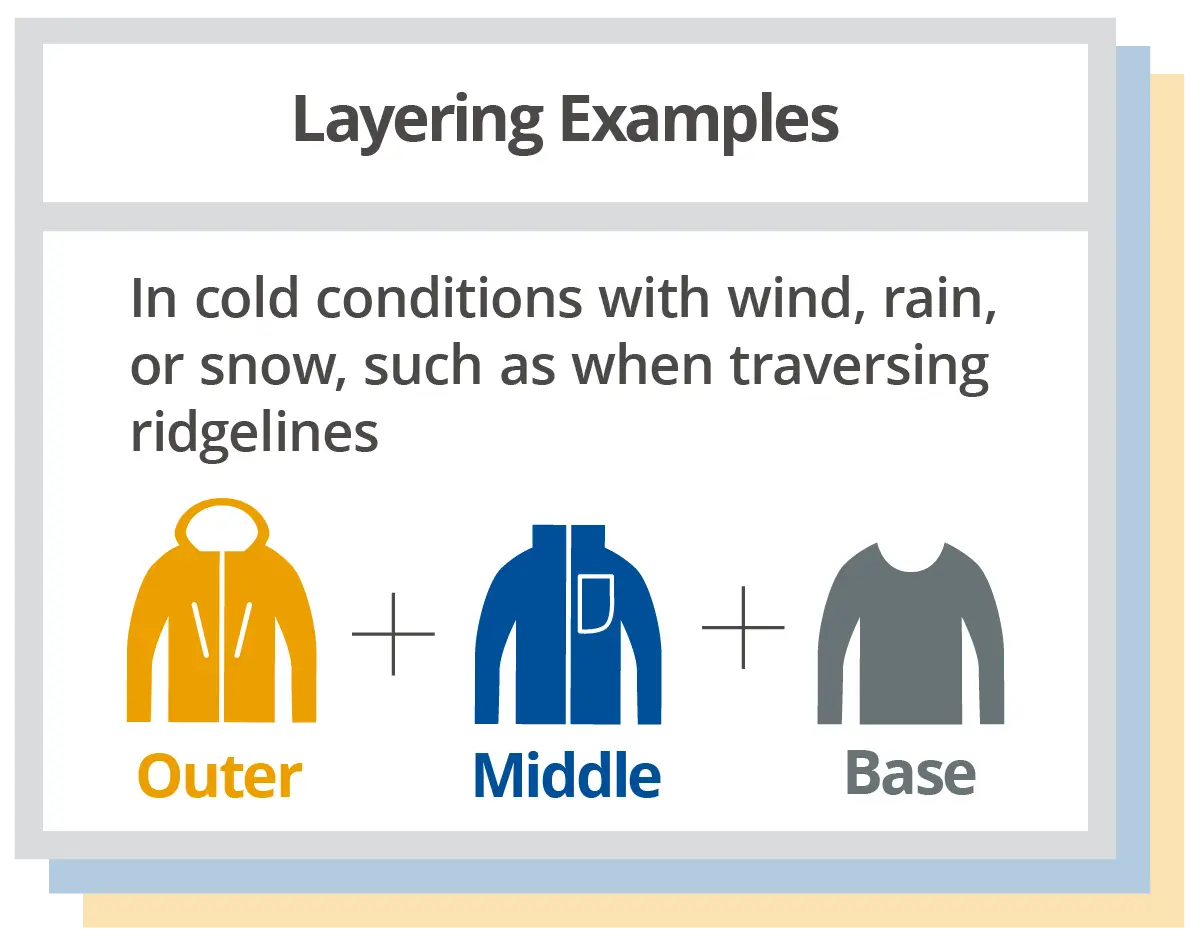
To maintain optimal comfort during activities, it is essential to layer clothing while considering the intensity of physical exertion, the mountain terrain, and one's personal tolerance to cold, and to regulate body temperature by frequently adjusting layers according to the conditions.
Layering Examples by Situation (Spring and Summer Edition)
- High Elevation Hiking and Mountaineering
- Low Elevation Trekking and Hiking
- For intense activities such as running
High Elevation Hiking and Mountaineering
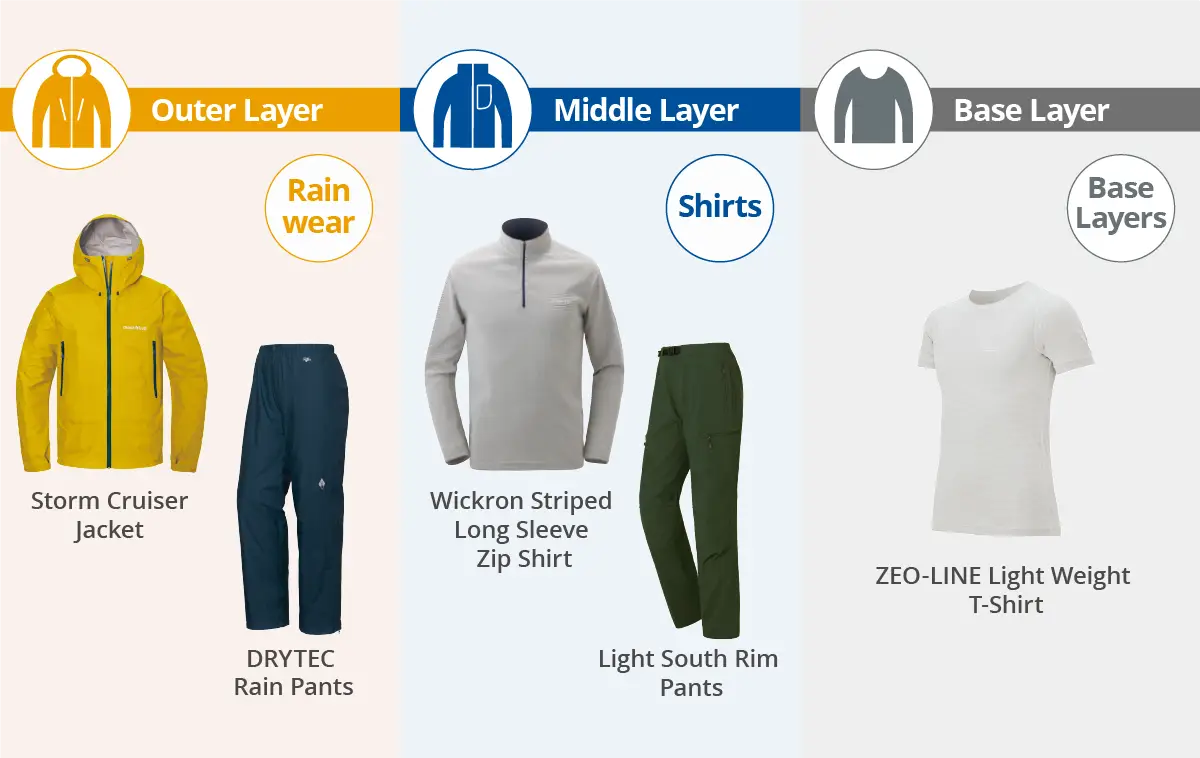
At higher altitudes, where temperature differences are more extreme, it can feel far colder than anticipated during rest periods.
Combine an base layer that rapidly wicks and quickly disperses moisture during activity with a soft shell that facilitates easy temperature regulation to prevent chills from the rapid cooling effect of evaporating perspiration.
Combine an base layer that rapidly wicks and quickly disperses moisture during activity with a soft shell that facilitates easy temperature regulation to prevent chills from the rapid cooling effect of evaporating perspiration.
Advice
Due to how quickly weather conditions can change, rain shells are essential. In addition, be sure to bring insulated garments to guard against the cold.
Another recommendation, wear Supportec tights under your pants to support leg movement.
Another recommendation, wear Supportec tights under your pants to support leg movement.
-
Rainwear
-
Wickron T-Shirts
-
Midweight Trekking Pants
-
ZEO-LINE Light Weight
-
Supporters
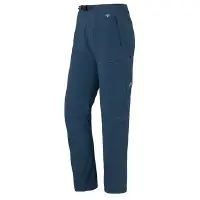
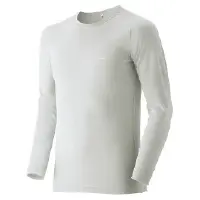
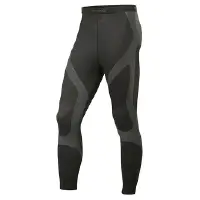
For trekking and walking at lower elevations
Even at low elevations, preparation for sudden weather changes and temperature drops is essential.
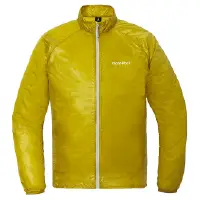
It is important to equip oneself with lightweight and compact outerwear or rain layers that allow for easy temperature regulation.
It is important to equip oneself with lightweight and compact outerwear or rain layers that allow for easy temperature regulation.
Advice
Do not forget to take measures against ultraviolet rays! In addition to functions such as breathability, we recommend wearing apparel that incorporates protection from UV.
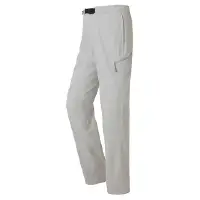
For pants, please select items with excellent mobility that utilize stretch materials or articulated patterns.
For pants, please select items with excellent mobility that utilize stretch materials or articulated patterns.
-
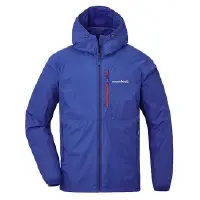
Ultra-Lightweight Wind Shells
-
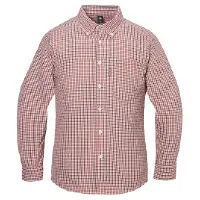
Long Sleeve Shirts
-
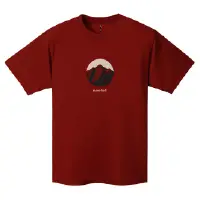
Wickron T-Shirts
-
Lightweight Trekking Pants
For intense activities such as running
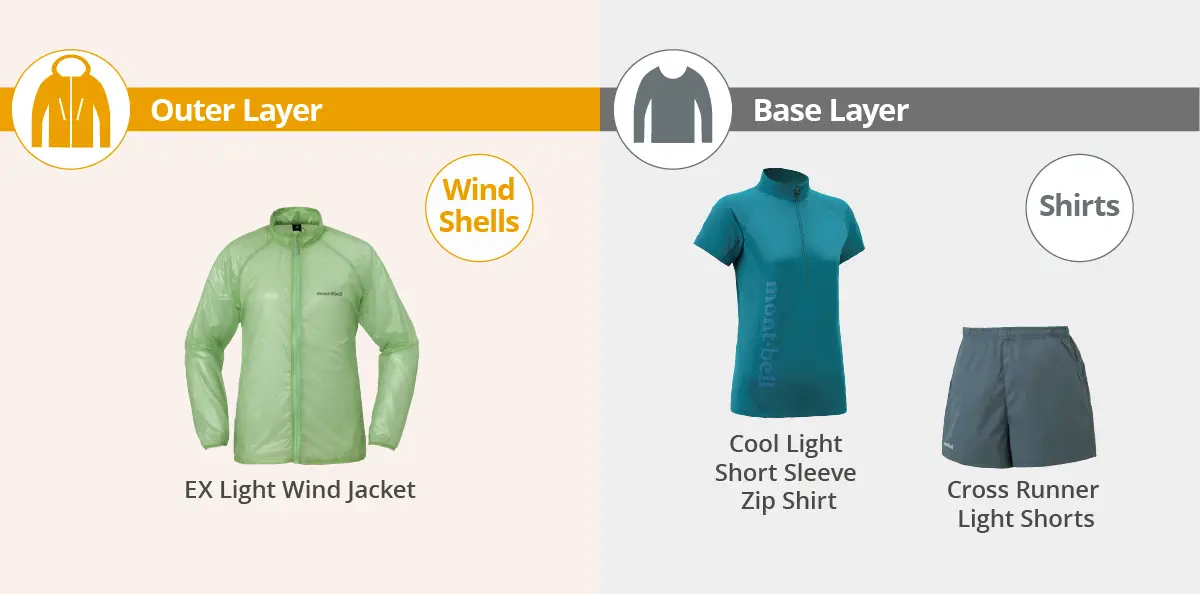
Wear clothing featuring breathability and mobility that quickly cools down the body even during exercise under the scorching sun. Additionally, it is important to select items that have quick-drying properties, to prevent chills during breaks from perspiration evaporating and causing rapid cooling, or UV protection, to guard against ultraviolet rays.
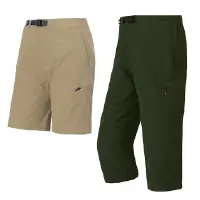
It is convenient to have an ultra-lightweight and compact shell that can be stored compactly and allows for easy temperature regulation. For pants, choose shorts or tights that facilitate leg movement!
It is convenient to have an ultra-lightweight and compact shell that can be stored compactly and allows for easy temperature regulation. For pants, choose shorts or tights that facilitate leg movement!
Advice
It is convenient to have an ultra-lightweight and compact shell that can be stored compactly and allows for easy temperature regulation. For pants, choose shorts or tights that facilitate leg movement!
-
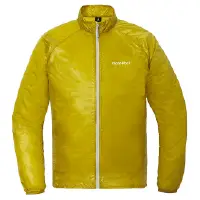
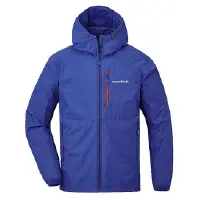
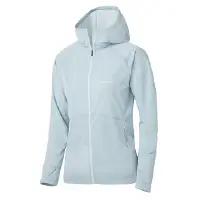
Ultra-Lightweight Wind Shells
-
Wind Shell Jackets
-
Wickron COOL
-
Shorts, 3/4 Pants
Layering Examples by Situation (Fall and Winter Edition)
Winter Mountaineering
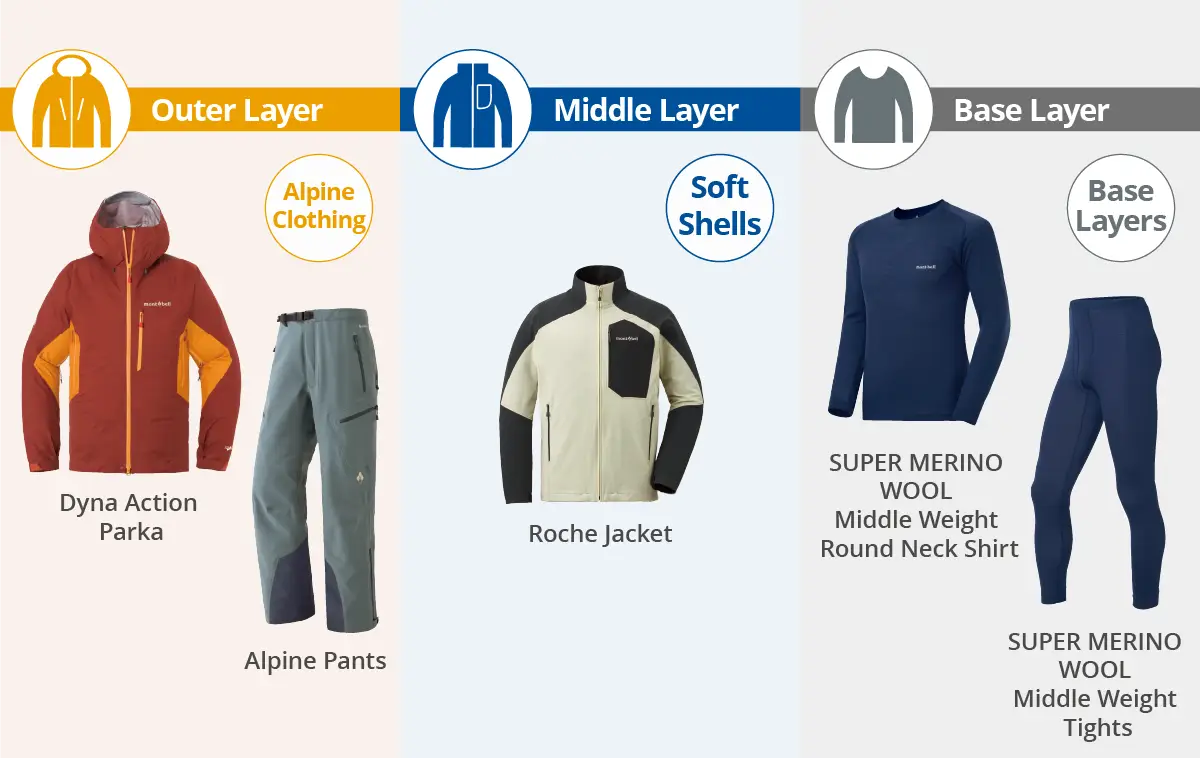
This is an example of layering designed for winter mountaineering and alpine climbing. It accommodates activity in severely cold environments and inclement weather conditions.
Advice
During rest periods, it can get colder than expected. We recommend carrying insulated clothing such as down jackets, which offer excellent heat retention!
-
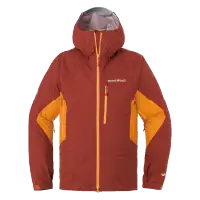
Alpine Parkas
-
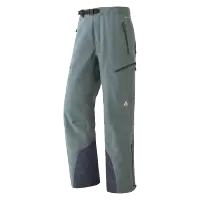
Alpine Pants
-
Soft Shells
-
SUPER MERINO WOOL Midweight
-
Insulated Clothing (Lightweight)
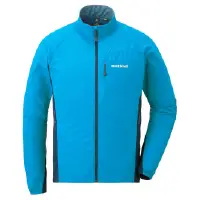
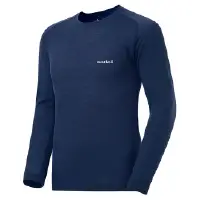
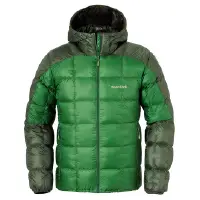
Snow Sports
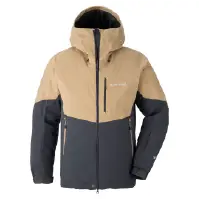
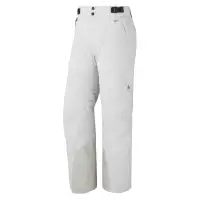
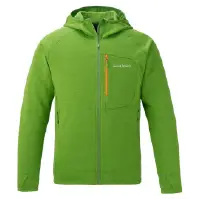
An example of layering that combines ease of movement with moderate insulation. It accommodates a wide range of activities including skiing, snowboarding, and snowshoeing.
Advice
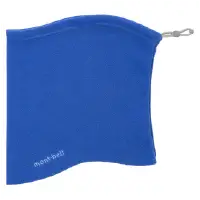
For skiing and snowboarding, we recommend carrying a scarf, gaiter, or similar accessory that provides superior insulation and prevents cold air from entering through the neck area!
-
Neck Gaiters
-
Alpine Jackets (Synthetic Insulation)
-
Alpine Pants (Synthetic Insulation)
-
Fleeces
-
ZEO-LINE Midweight
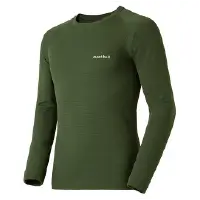
Low elevation hiking
An example of layering for hiking in the fall or lower altitude hiking during winter. While prioritizing agility and mobility, it prepares for unexpected weather and temperature changes.
Advice
In fall, conditions can range from feeling as hot as summer to experiencing sudden severe weather changes accompanied by wind and snow, requiring broad-ranging preparedness. Be sure to carry waterproof shells and cold-weather gear!
-
Rainwear
-
Wind Shell Jackets
-
Midweight Long Sleeve Shirts
-
Midweight Trekking Pants
-
ZEO-LINE Light Weight
-
Trekking Tights
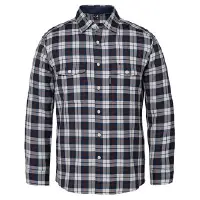
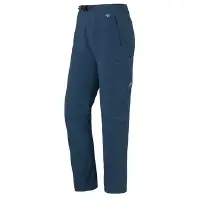
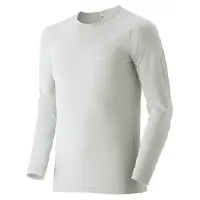
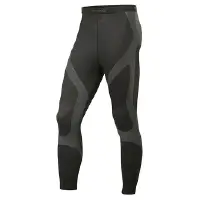
Designed for travel & daily use
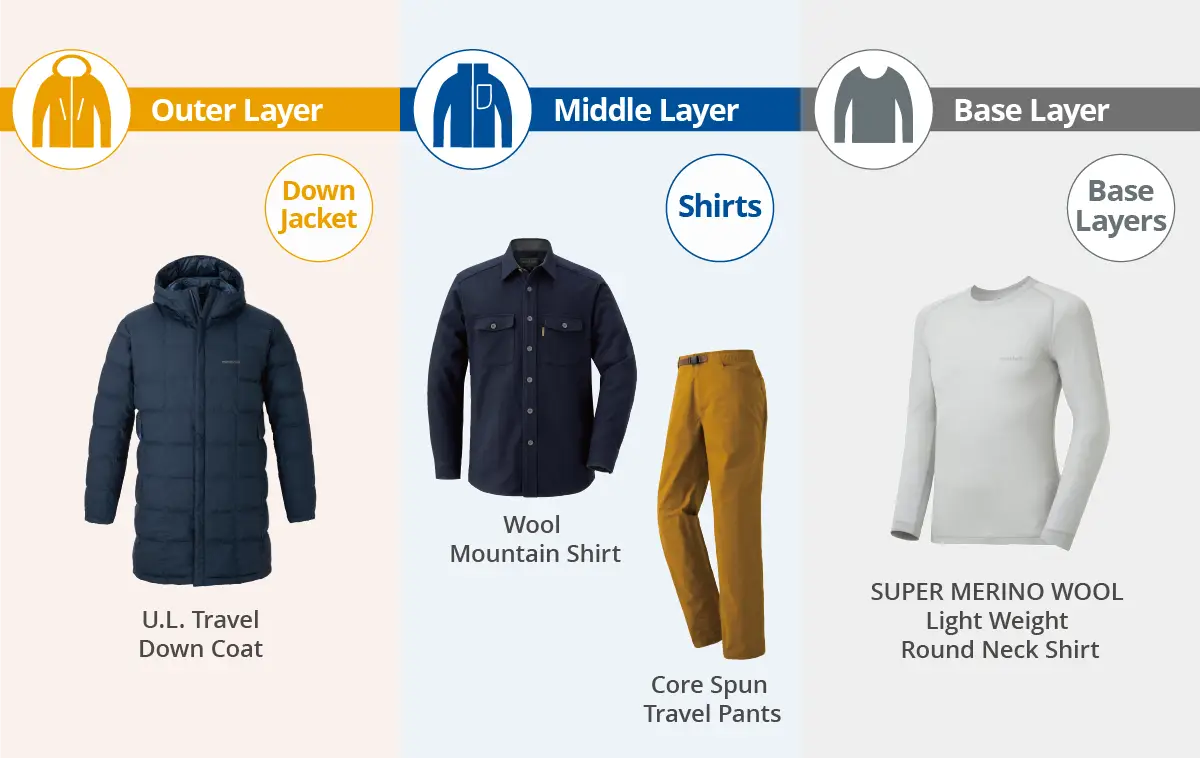
Layering designed with emphasis on versatility and ease of use while traveling. It can also be utilized as daily wear.
Advice
Beyond insulation, lightweight compactness, the ease of laundering and the convenience of being able to wear it immediately after drying without ironing are also key advantages!
-
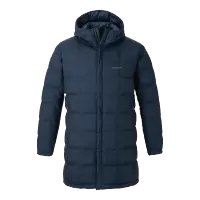
Travel Coats
-
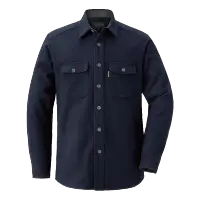
Heavyweight Shirts
-
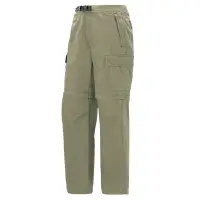
Travel Pants
-
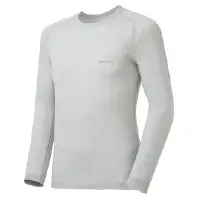
SUPER MERINO WOOL Lightweight